Skip to content
Choosing the right decking material is one of the most important decisions when designing an outdoor living space. Homeowners today want a deck that looks beautiful, lasts for years, and requires minimal upkeep.
That’s why PVC deck material has become an increasingly popular option for modern homes. Known for its durability, moisture resistance, and low maintenance needs, PVC decking offers a practical alternative to traditional wood and even composite boards. But is it the right choice for your project? In this guide, we’ll explore the benefits of PVC decking, compare it with other materials, and explain what homeowners should know about cost, installation, and long-term value.
Let’s take a deeper dive into the details now!
What Is PVC Deck Material?

PVC (polyvinyl chloride) is a synthetic decking option designed for strength and simplicity. Unlike wood, it won’t absorb moisture, warp, or fade easily, making it a reliable choice for outdoor living. Homeowners appreciate its waterproof decking material, minimal upkeep, and straight forward installation.
PVC boards deliver long‑lasting performance at a competitive price, often outshining composite alternatives. For anyone seeking a durable, low‑maintenance deck solution, PVC decking offers a smart investment that balances cost, convenience, and longevity.
Benefits of PVC Decking for Outdoor Spaces
The best PVC decking brings practical advantages that make it a standout choice for outdoor living. Here’s why homeowners often prefer it:
- Durability – Resists fading, scratching, and mold for long‑lasting use.
- Low Maintenance – Requires less upkeep than wood.
- Waterproof Protection – Won’t warp, rot, or absorb moisture.
- Peace of Mind – Reliable performance in all weather conditions.
- Design Flexibility – Available in a wide range of colors and styles.
Working with experienced local deck builders helps ensure your PVC decking project is completed safely and correctly. Professionals understand local building codes, climate conditions, and structural requirements, helping you select the best PVC decking and install it properly. Their expertise protects your investment while delivering a durable, attractive outdoor space.
PVC Deck Boards vs Traditional Wood Decking
Choosing between PVC deck boards and traditional wood affects both durability and upkeep. PVC boards resist moisture, mold, and insects, making them a long‑lasting, low‑maintenance option. Wood, while classic in appearance, demands regular sealing and can warp, splinter, or rot over time.
For homeowners seeking a deck that stays attractive with minimal effort, PVC offers a practical solution. It delivers consistent performance and peace of mind, especially in climates where wood struggles to hold up.
PVC Decking vs Composite: Key Differences
When choosing between PVC decking and composite decking, it helps to understand how the materials differ in composition, performance, and maintenance. While both are popular alternatives to traditional wood, each offers unique advantages depending on your priorities for durability, appearance, and upkeep.
Material Composition
One of the biggest differences between the two materials is how they’re made.
- PVC decking is a fully synthetic material, typically made from polyvinyl chloride. Because it contains no wood fibers, it resists moisture absorption and is highly resistant to mold, mildew, and rot.
- Composite decking is made from a blend of recycled plastic and wood fibers. This combination gives composite boards a more natural texture and appearance, but the wood content means they can absorb some moisture over time.
Durability and Weather Resistance
PVC decking is known for its strong performance in harsh outdoor environments.
- PVC decking
- Highly resistant to moisture and mold
- Less prone to fading or staining
- Ideal for humid or wet climates
- Highly resistant to moisture and mold
- Composite decking
- Durable but may retain moisture in certain conditions
- Slightly more susceptible to mold if not cleaned regularly
- Performs well but may require more attention in damp environments
- Durable but may retain moisture in certain conditions
Maintenance Requirements
Both materials require far less maintenance than wood decking, but there are some differences.
- PVC decking typically requires only occasional cleaning with soap and water. Since it doesn’t contain wood fibers, it won’t splinter, rot, or require sealing.
- Composite decking is still low-maintenance but may require periodic cleaning to prevent mold growth and maintain its appearance.
Appearance and Design Options
For many homeowners, the look of the deck is just as important as durability.
- Composite decking often provides a more natural wood-like appearance, with textured grain patterns and warmer tones.
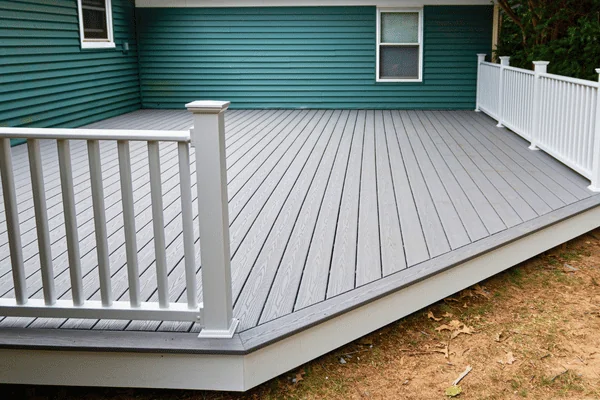
- PVC decking offers a clean, modern look, with consistent coloring and smooth finishes.
Which Option Is Right for You?
The choice between PVC decking vs composite ultimately comes down to your priorities.
- Choose PVC decking if you want maximum moisture resistance, long-term durability, and the lowest possible maintenance.
- Choose composite decking if you prefer a more traditional wood appearance while still reducing the maintenance required with natural lumber.
Both materials can create beautiful, long-lasting outdoor spaces—but understanding these differences helps homeowners select the decking solution that best fits their lifestyle and environment.
Related content: Build a Deck Around Above Ground Pool: Tips for a Perfect Fit
Types of PVC Decking Boards Available

PVC deck material comes in several styles, each designed to balance durability, aesthetics, and budget. Understanding the differences helps you choose the right option for your outdoor space.
Solid PVC Deck Boards
Solid PVC boards deliver strength and stability, resisting moisture, mold, and fading. Their solid structure makes them ideal for high‑traffic areas, while eliminating splinters and warping. Homeowners enjoy a vibrant, low‑maintenance deck that holds up beautifully over time.
Hollow-Core PVC Decking
Hollow‑core PVC decking boards are lightweight, budget‑friendly, and easier to install. While they simplify handling and reduce the cost of PVC decking, they may not match the durability of solid boards. Consider your outdoor space’s needs before deciding whether this option suits you.
Capped PVC Decking Options
Capped PVC deck material enhances both style and performance. With a protective cap, these boards resist stains and scratches while offering a range of colors and textures. Easy maintenance and lasting beauty make them a popular choice for customized outdoor living spaces.
PVC Decking Cost: What Homeowners Should Expect
When budgeting for a PVC deck system, expect material costs to range from $10 to $20 per square foot, depending on brand and quality. For a mid‑sized 300‑square‑foot deck, that translates to roughly $3,000 to $6,000 in materials alone. Installation can add another $5 to $12 per square foot, depending on labor rates in your area. Don’t forget accessories—railings, lighting, and trim can increase the total by 10–20%. Overall, PVC deck board offers a durable, low‑maintenance investment with predictable long‑term value.
PVC Decking Installation: What to Know Before Building

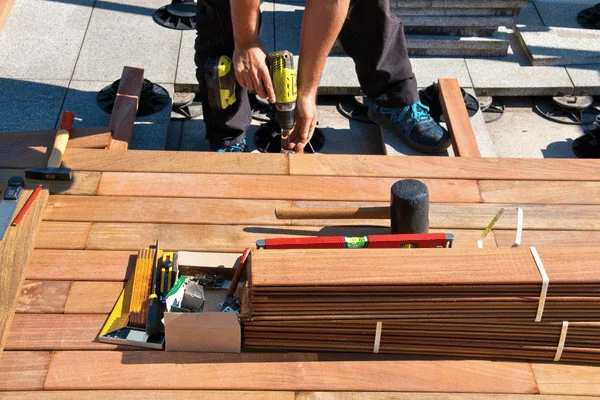
Installing a PVC deck system requires careful planning to ensure strength, safety, and long‑term performance. From framing to fastening, each step plays a vital role in creating a reliable outdoor space.
Substructure and framing requirements
When planning your PVC decking installation, understanding the substructure and framing requirements is essential to a durable, safe deck. Make certain your framing is made from pressure-treated wood or composite materials, and follow local building codes. Use proper spacing between joists, typically 16 inches on center, to support the decking. This strong foundation prevents sagging and enhances your deck’s longevity.
Fastening systems and spacing
Understanding the right fastening systems and spacing is essential for a successful PVC decking installation. Choose hidden fasteners or screws designed specifically for PVC to guarantee a clean look and prevent water infiltration. Maintain proper spacing between boards, typically around 1/8 to 1/4 inch, to allow for expansion and contraction. Following these guidelines will enhance your deck’s durability and overall appearance.
Why professional installation matters
Professional installation often makes a significant difference in the success of your PVC deck boards project. Skilled installers understand the nuances of material handling, ensuring proper alignment and fastening techniques. They also account for local building codes and environmental factors that impact durability. By choosing professionals, you’re not only saving time but also enhancing the longevity and performance of your outdoor space.
How to Choose the Best PVC Decking for Your Home
Selecting a PVC deck system means weighing design, safety, and durability. By considering these factors, you’ll ensure your outdoor space looks great and performs well for years.
- Color, Texture, and Style – Match your home’s exterior with options that complement your outdoor design.
- Warranty Coverage – Look for strong warranties that protect your investment and guarantee long‑lasting performance.
- Durability Ratings – Choose boards tested for resistance to fading, mold, and wear.
- Slip Resistance – Prioritize safety with surfaces designed to reduce accidents.
- Maintenance Needs – Opt for low‑maintenance finishes that keep your deck looking fresh with minimal effort.
Professional Deck Builders Make a Difference – Call Deck Builders of Meridian Today
At Deck Builders of Meridian, we help homeowners turn their outdoor spaces into durable, beautiful places to relax and entertain. If you’re considering PVC deck material, our team can guide you through every step of the process—from comparing decking options to designing a layout that complements your home.
We take the time to explain PVC decking cost, recommend the best PVC decking boards for your needs, and ensure every detail of your PVC decking installation is completed with precision. Our experienced builders focus on structural integrity, long-term performance, and a finished deck that enhances both comfort and curb appeal.
When you work with Deck Builders of Meridian, you gain a local team that understands regional climate conditions, building codes, and the craftsmanship required for long-lasting results.
If you’re ready to upgrade your outdoor living space with low-maintenance PVC decking, contact Deck Builders of Meridian today to start planning a deck built to perform beautifully for years to come.
Frequently Asked Questions
1. Can PVC Decking Be Painted or Stained?
You can’t paint or stain PVC decking effectively, as its non-porous surface prevents proper adhesion. Instead, consider using colored PVC options or exploring other materials if you’re looking for a customizable deck appearance.
2. How Does PVC Decking Perform in Extreme Weather Conditions?
PVC decking withstands extreme weather well. It won’t warp or crack in heat, and it resists moisture, preventing mold in cold. You’ll find it maintains its appearance and durability, making it a reliable outdoor option.
3. Is PVC Decking Eco-Friendly and Recyclable?
PVC decking isn’t biodegradable, but it’s often made from recycled materials, making it a more eco-friendly choice than traditional options. You can also find recycling programs for PVC, helping reduce environmental impact.
4. What Maintenance Is Required for PVC Decking?
PVC decking requires minimal maintenance. You’ll need to occasionally clean it with soap and water to remove dirt and stains. Inspect for any scratches or damage, but you won’t have to worry about sealing or painting.
5. How Long Is the Warranty for PVC Decking Products?
Most PVC decking products come with warranties ranging from 20 to 50 years, depending on the manufacturer. Always check the specific product details, as coverage can vary based on factors such as installation and maintenance practices.
Final Thoughts
Choosing PVC deck material for your outdoor space is a smart move that blends durability and style. With its low maintenance and wear resistance, you can enjoy a beautiful deck for years to come. Whether you’re upgrading or building new, consider the various options available to find the perfect fit for your home. Don’t hesitate to consult professional deck builders to guarantee a seamless installation and maximize your outdoor living experience.