Skip to content
When considering what material is best for a pool deck, consider durability, style, maintenance, and budget. Each option has strengths and drawbacks. Understanding these general factors helps you select a material that strikes a balance between beauty, safety, and long-term value for your outdoor space. In Meridian,Idaho, pool owners often look for decking that stays comfortable under the Midwest summer sun. Let’s take a closer look at what options are available for you to consider!
Understanding Pool Deck Material Options
Exploring pool deck material options helps you compare durability, style, and cost to find the best fit.
Why Your Pool Deck Material Matters – safety, comfort, maintenance, and climate considerations
Choosing the right pool deck material affects safety, comfort, maintenance, and climate performance. When deciding what is the best material for building a pool deck, compare slip resistance, heat retention, and costs to ensure value and suitability.

Factors to Consider Before Choosing: slip resistance, heat retention, cold tolerance, lifespan, and style
Before selecting a pool deck material, it’s crucial to evaluate features that impact safety, comfort, and aesthetics. These factors ensure your deck performs well and complements your outdoor space.
- Slip Resistance – Reduces the risk of falls, especially when wet
- Heat Retention – Affects surface temperature under direct sunlight
- Cold Tolerance –Meridian faces thaw-freeze challenges that decks must endure
- Lifespan – Determines how long the material will last with minimal maintenance
- Style – Should match your home’s architecture and landscape design
How Local Climate and Budget Influence the Best Choice – matching materials to the region
Local climate and budget can considerably shape your choice of pool deck materials. In warmer regions, consider materials like concrete or pavers that stay cool underfoot; in cooler climates, wood or composite options may be more suitable for insulation. Your budget also plays a vital role; prioritize durable materials that align with your financial plan to ensure a long-lasting and enjoyable pool area.
Climate and Cost Considerations in Meridian, Indiana
When asking what is the best material for a pool deck, local climate plays a major role. In Meridian, ID, hot summers and occasional freezes often mean that concrete or pavers provide the best balance of durability and comfort. Across the Indiana region, where freeze-thaw cycles are more common, composite or treated wood may be better suited to resist cracking and weather damage. Our pool deck material cost comparison helps homeowners weigh durability against upfront expense.
Concrete Pool Decks – Affordable & Customizable
Concrete is a popular choice for those seeking the best pool deck material, offering affordability, durability, and versatile design options while balancing style and function for various outdoor spaces.
Pros of Concrete Pool Decks
Concrete remains a top choice for pool decks thanks to its practical benefits and design flexibility. Here’s why homeowners often prefer it:
- Durability – Withstands heavy use and weather fluctuations
- Low Cost – Offers a budget-friendly option for large areas
- Customization – Can be stamped or stained for a personalized look
Cons of Concrete Pool Decks
Despite its strengths, concrete has some limitations that are worth considering before installation:
- Cracking – May occur due to ground movement or temperature shifts
- Heat Absorption – Can become uncomfortably hot in direct sunlight
- Potential Slipperiness – Smooth surfaces may pose a slip hazard when wet
Average Cost & Local Price Ranges
Concrete pool decks typically cost between $6 and $12 per square foot nationwide. However, local pricing for pool deck materials can vary based on labor rates, design complexity, and regional demand. To stay on budget, request quotes from nearby contractors and compare options tailored to your area.
Pavers & Stone Pool Decks – Elegant but Pricey
If you’re aiming for an upscale look around your pool, pavers and natural stone can deliver that elegance. Let’s break down the pros and cons, along with a cost guide to help you make an informed decision.
Pros of Pavers & Natural Stone
Pavers and natural stone offer a refined, high-end look that enhances any poolside setting. Their practical benefits make them a popular choice for homeowners seeking both style and safety.
- Upscale appearance that elevates outdoor aesthetics
- Strong slip resistance for safer poolside use
- Easy repairs by replacing individual pieces as needed
Cons of Pavers & Natural Stone
Despite their appeal, pavers and natural stone come with considerations that may affect your budget and maintenance needs.
- Higher upfront cost compared to concrete
- Weed growth between joints requires regular upkeep
- Shifting over time, which can lead to uneven surfaces
Cost Guide & Regional Variations
Pavers generally cost between $10 and $20 per square foot, while natural stone ranges from $15 to $30 per square foot. These figures can fluctuate based on design complexity and availability. To get the best value, explore local pricing for pool deck materials through nearby suppliers and contractors.
Wood & Composite Pool Decks – Warm, Natural Appeal
Wood offers natural beauty but needs upkeep, while composite provides low-maintenance durability, making both appealing options for homeowners seeking style, comfort, and longevity in their pool deck design.

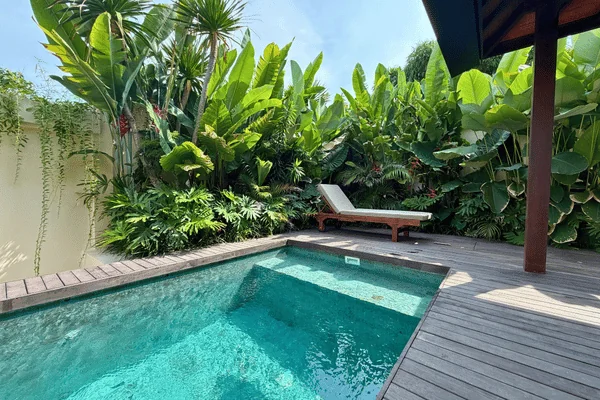
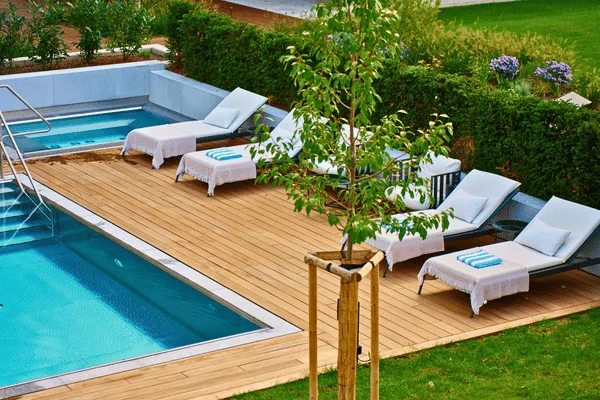
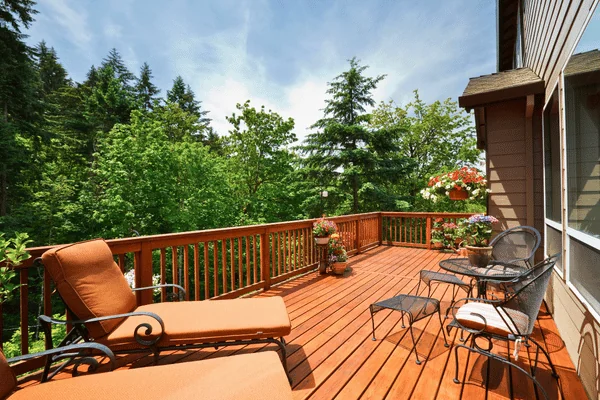
Pros of Wood Decks – Natural Beauty, Cooler Surface, Versatile Design
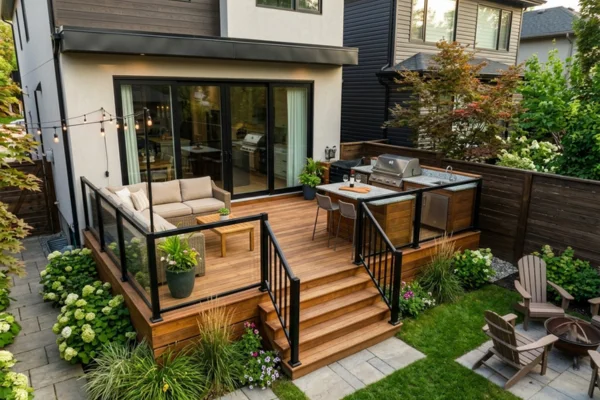
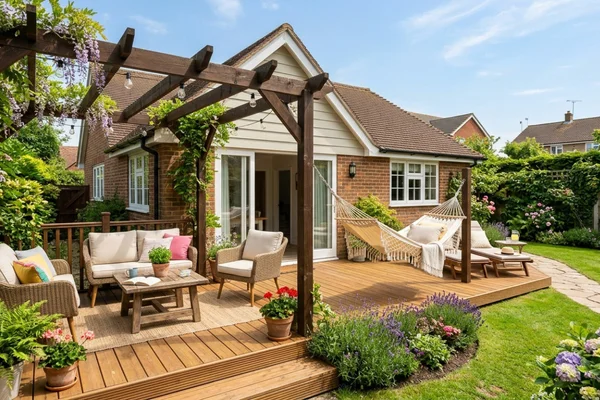
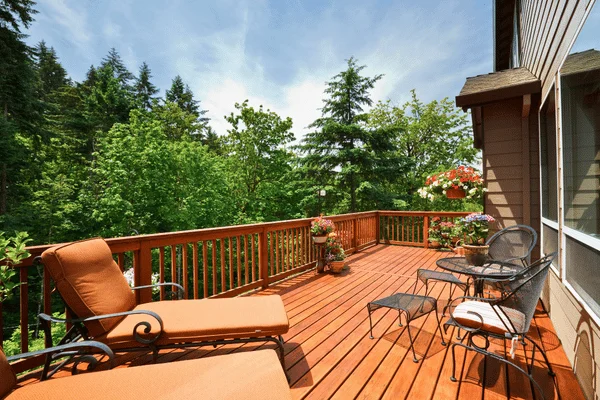
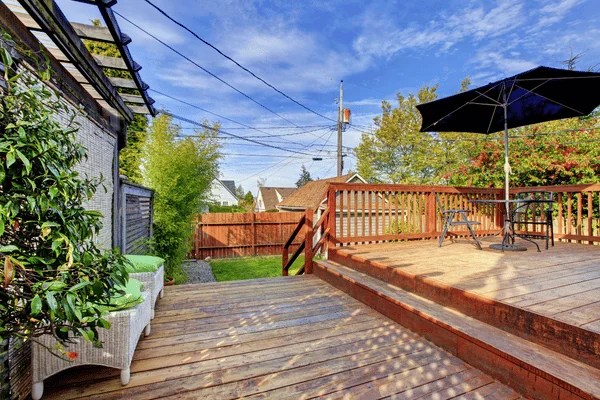
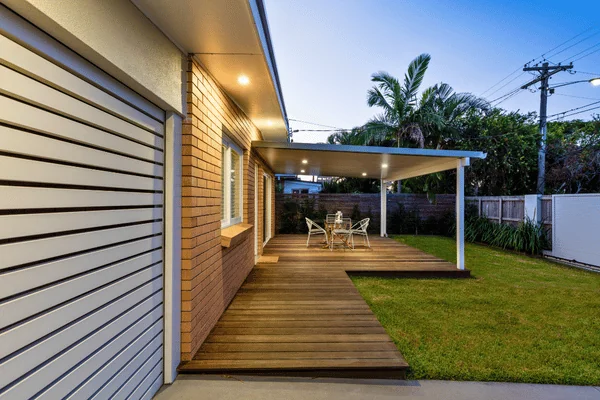
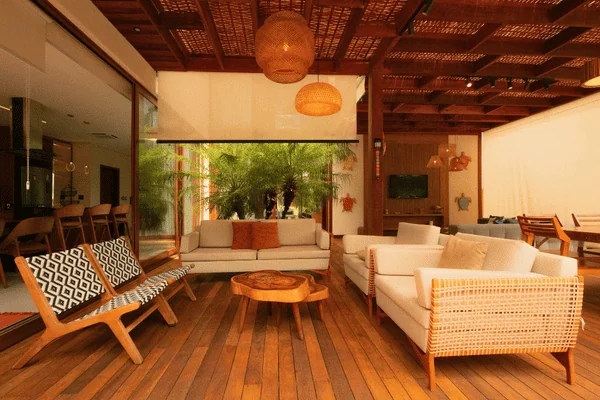
Wood decks bring warmth and elegance to any poolside setting. Their natural beauty enhances the outdoor aesthetic, while cooler surfaces provide comfort on hot days. Versatile design options let you customize colors and layouts to suit your personal style.
Cons of Wood Decks
Despite their appeal, wood decks require consistent upkeep and come with durability concerns.
- Regular maintenance to prevent rot and decay
- Risk of splinters, especially for bare feet
- Potential for structural issues over time
Composite Decking Costs & Benefits
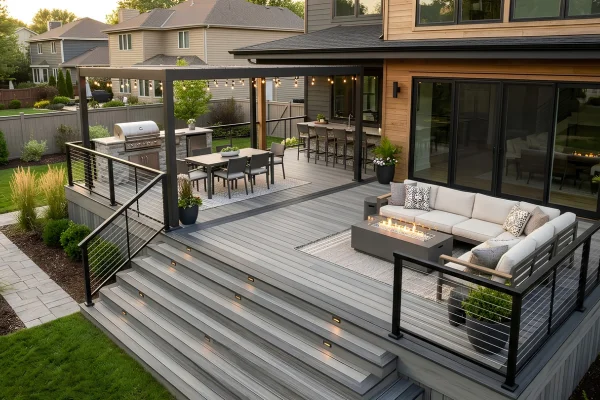
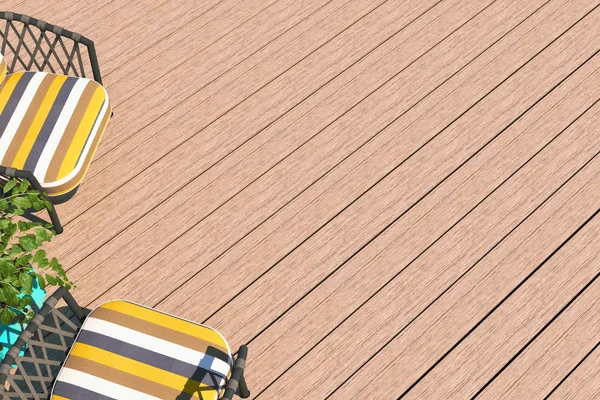
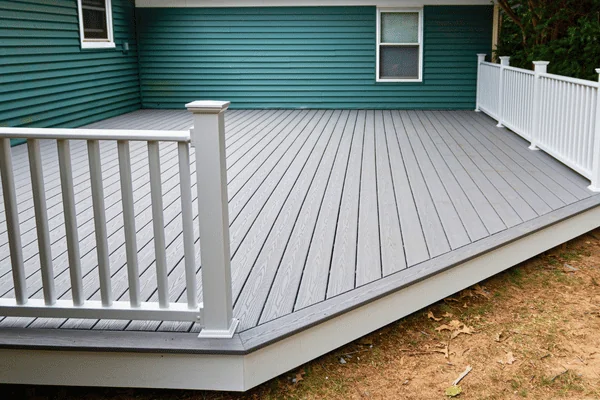
Composite decking is a durable, low-maintenance alternative to traditional wood, making it ideal for busy households. It resists fading, splintering, and rot, with a lifespan of 25+ years. Expect costs between $20–$30 per square foot, including materials and installation.
Tile & Travertine Pool Decks – Stylish & Cool Underfoot
Tile and travertine pool decks offer elegant style and a cool surface underfoot. Though pricier to install, their slip-resistant options and timeless appeal make them a popular, practical choice.
Pros of Tile & Travertine – Elegant Style, Stays Cooler in Hot Climates, Slip-Resistant Options
Tile and travertine decks elevate outdoor aesthetics with elegant finishes. They stay cooler underfoot in hot climates and offer slip-resistant options, making them a stylish, comfortable, and safe choice for poolside lounging and entertaining.
Cons of Tile & Travertine – Higher Installation Cost, Grout Maintenance, Not Ideal for Freezing Areas
While beautiful, tile and travertine decks come with higher installation costs and ongoing maintenance of the grout. They’re also less suitable for freezing climates, where temperature fluctuations can cause cracking or damage over time, making them a less ideal choice regionally.
Price Breakdown & Installation Costs – Average Per Sq. Ft. with Regional Adjustments
Expect tile to cost $10–$15 per square foot, while travertine ranges from $15–$20. Prices vary by region, so always request quotes from local contractors to account for labor rates, delivery fees, and material availability.
Pool Deck Material Cost Comparison Chart
This pool deck material cost comparison helps you evaluate options like concrete, pavers, and wood, guiding budget-friendly, informed decisions.
Side-by-Side Cost Table – concrete, pavers, stone, wood, composite, tile/travertine
Meridian homeowners appreciate decking options that balance style with slip resistance for family-friendly pools as well as materials that cna handle the wear and tear of Indiana weather. Choosing the right material for your pool deck can make a significant difference in both aesthetics and budget. Here’s a quick cost comparison:
| Material | Estimated Cost per Sq. Ft. | Notes on Value & Appeal |
|---|---|---|
| Concrete | $5 – $15 | Affordable, versatile, and customizable. |
| Pavers | $10 – $20 | Stylish, durable, and easy to repair. |
| Natural Stone | $15 – $30 | Elegant, long-lasting, and visually striking. |
| Wood | $15 – $25 | Warm, natural look with regular maintenance needed. |
| Composite | $20 – $30 | Low-maintenance, durable, and weather-resistant. |
| Tile/Travertine | $15 – $25 | Luxurious, slip-resistant, and ideal for warm climates. |
How to Estimate Your Local Costs – Labor Rates, Material Sourcing, Delivery Fees
Understanding local pricing for pool deck materials means looking beyond sticker prices. Labor rates, material availability, and delivery fees all impact your final budget. Key cost factors:
- Contractor hourly rates in your area
- Sourcing materials locally or regionally
- Delivery fees are based on distance and weight
Tips to Save on Pool Deck Installation – Off-Season Installation, Recycled Materials, DIY Elements
Our local pool builders in Meridian recommend materials that can withstand both heavy rain and prolonged periods of heat. Thoughtful planning can significantly reduce installation costs without compromising quality. Money-saving strategies:
- Schedule installation during off-peak seasons for lower labor rates
- Use recycled or reclaimed materials for budget-friendly options
- Add DIY elements to reduce professional labor needs
How to Choose the Right Pool Deck Material for Your Home

When selecting what is the best material for a pool deck, consider your climate, desired style, durability needs, and budget to ensure a long-lasting, attractive, and functional outdoor space.
Match Your Deck Material to Your Climate – hot, humid, or freeze-prone regions.
Select a pool deck material that suits your climate. Hot regions require heat-reducing surfaces, while freeze-prone areas need slip-resistant and crack-resistant options to effectively handle temperature changes.
Balance Aesthetics, Durability, and Budget – finding the sweet spot
Select a pool deck material that blends style, longevity, and affordability. Ensure it matches your vision, withstands wear, and fits within your budget for lasting value and outdoor appeal.
Consult Local Experts for Accurate Pricing – why getting a quote matters
Local experts offer insight on regional pricing, material availability, and regulations. Getting quotes helps you compare options, avoid surprises, and make informed decisions about pool deck materials that align with your budget.
Final Thoughts – Getting the Best Value from Your Pool Deck Investment
Choosing the best pool deck material starts with understanding your options—and knowing what fits your home, budget, and climate. Whether you’re looking for the most affordable solution, a luxury finish, or a low-maintenance upgrade, the right choice can transform your backyard into the perfect retreat.
📞 Get a Free Local Quote Today – Compare local pricing for pool deck materials, see real cost breakdowns, and find out exactly what works best for your pool area. Contact your trusted local pool deck builder now and take the first step toward your dream outdoor space.
Frequently Asked Questions
1. Can I Mix Different Materials for My Pool Deck?
Yes, you can mix different materials for your pool deck! Combining textures and colors can enhance aesthetics and functionality. Ensure the materials complement each other and maintain safety and durability in the pool area.
2. How Long Do Various Pool Deck Materials Typically Last?
Different pool deck materials have varying lifespans. For instance, concrete lasts around 25 years, while pavers can endure 20-30 years. Wood decks typically last 10-15 years, depending on the level of maintenance and weather exposure.
3. Are There Eco-Friendly Options for Pool Deck Materials?
Yes, you’ve got eco-friendly options for pool deck materials. Consider using recycled plastic, sustainable wood, or permeable pavers to reduce your environmental impact. These choices not only reduce environmental impact but also provide stylish, durable surfaces for your outdoor space.
4. What Maintenance Is Required for Each Type of Pool Deck?
You’ll find maintenance varies by material. Concrete needs sealing, wood requires staining, and pavers might just need occasional cleaning. Regular upkeep guarantees safety and longevity, so stay proactive to keep your pool deck in top shape.
5. How Does Weather Affect Different Pool Deck Materials?
Weather impacts pool deck materials considerably. Sun can fade colors, while rain may cause slips or deterioration. Cold temperatures can lead to cracking, so you need to choose a material that withstands the challenges of your local climate.